
Receiving a new kidney feels like a miraculous second chance at life, but the fear of losing that precious gift is very real. You might find yourself constantly worrying if a stray ache or a slight fever means your body is fighting the transplant. Understanding the facts about kidney transplant rejection turns that anxiety into empowerment, helping you protect your health and your future.
For patients of Prof. Aimun Ahmed, navigating life post-transplant is a partnership grounded in safety, precision, and compassionate care. With over three decades of experience in transplant medicine, Prof. Ahmed knows that an informed patient is a healthier patient.
This guide is designed to walk you through the realities of rejection in a clear, reassuring way, helping you understand what is happening inside your body and how modern medicine fights to keep your new organ healthy.

The Basics: Why Does Rejection Happen?
To understand rejection, we first need to talk about your immune system. Think of your immune system as your body’s highly trained security force. Its entire job is to identify “foreign” invaders—like bacteria, viruses, or fungi—and attack them to keep you healthy.
When you undergo kidney transplantation, you are introducing a new organ into your body. Even though this kidney is saving your life, your security force doesn’t see it that way. It sees an intruder. It recognizes that the cells of the transplanted kidney do not match your own cells.
Without intervention, your immune system would immediately launch an attack to destroy this “foreign” object. This natural biological response is what we call rejection.
The goal of post-transplant care is to manage this response. We use powerful medications, known as immunosuppressants or anti-rejection drugs, to “dampen” the immune system’s response. You can think of these medicines as putting sunglasses on your immune system’s security guards; they can still see the new kidney, but they don’t recognize it as an immediate threat.
Walking the line between suppressing the immune system enough to prevent rejection, but not so much that you are at high risk of severe infection, is the delicate balance of transplant medicine.
Kidney Transplant Rejection Types
Rejection isn’t a single event; it’s a process that can occur in different ways and at different times. Understanding the types helps doctors determine the best course of treatment.
There used to be a type called hyperacute rejection, which happened minutes after surgery while the patient was still on the operating table. Thanks to advancements in pre-transplant evaluation, specifically crossmatching blood tests that ensure compatibility between donor and recipient, this is now extremely rare.
Today, we primarily focus on two main categories: acute and chronic.
Acute Kidney Transplant Rejection
Acute kidney transplant rejection is the most common type of rejection episode. It typically occurs within the first few months after the transplant operation, but it can happen at any time.
Think of this as a sudden, intense flare-up of immune activity against the kidney. It’s like a localized fire. The good news is that because it is acute (sudden), it is usually highly responsive to treatment. Most transplant recipients will experience at least one episode of acute rejection in their lifetime; it does not mean you will lose the kidney.
There are sub-types of acute rejection based on how the immune system attacks:
- T-cell mediated rejection (TCMR): Your body’s white blood cells (T-cells) directly attack the kidney tissue.
- Antibody-mediated rejection (ABMR): Your B-cells create antibodies specifically designed to target the transplanted kidney.
Knowing whether it is cellular or antibody-mediated helps Prof. Ahmed tailor the treatment strategy for the best chance of success.
Chronic Kidney Transplant Rejection
Chronic rejection is a slower, quieter process. It doesn’t happen overnight. Instead, it causes a gradual decline in kidney function over many months or even years. It is sometimes referred to as chronic allograft nephropathy or chronic graft dysfunction.
Unlike the sudden flare-up of acute rejection, chronic rejection is like slow rust corroding a machine. It leads to permanent scarring (fibrosis) in the kidney tissue. Because the damage happens slowly and permanently, it is much harder to reverse than acute rejection. The goal here shifts from “fixing” the episode to slowing down the decline to preserve the kidney for as long as possible.
Kidney Transplant Rejection Rate
Many patients ask, “What are my chances of rejecting?” It’s a natural question.
The honest answer is that thanks to significant advancements in immunosuppressant therapies, the rates of early, severe rejection have plummeted over the last twenty years.
Historically, rejection was the biggest hurdle immediately post-op. Today, with modern induction therapies (strong medication given at the time of surgery) and maintenance drugs, the rate of acute rejection in the first year is relatively low—often quoted between 10% to 20% for standard risk patients, though this varies based on many factors.
However, the long-term challenge remains. While we have gotten very good at preventing early kidney loss, chronic rejection over a decade or more continues to be a major cause of transplanted kidney failures. This is why lifelong monitoring is crucial.
Spotting the Signs: The Most Common Signs of Rejection
Early detection is your best defense. When rejection is caught early, it is much easier to treat, and the damage can often be reversed. You know your body better than anyone else, so you must be vigilant in watching for changes.
The most common signs of rejection can sometimes mimic the flu or a kidney infection. They include:
- Fever: A temperature over 38°C (100.4°F) without another obvious cause like a cold.
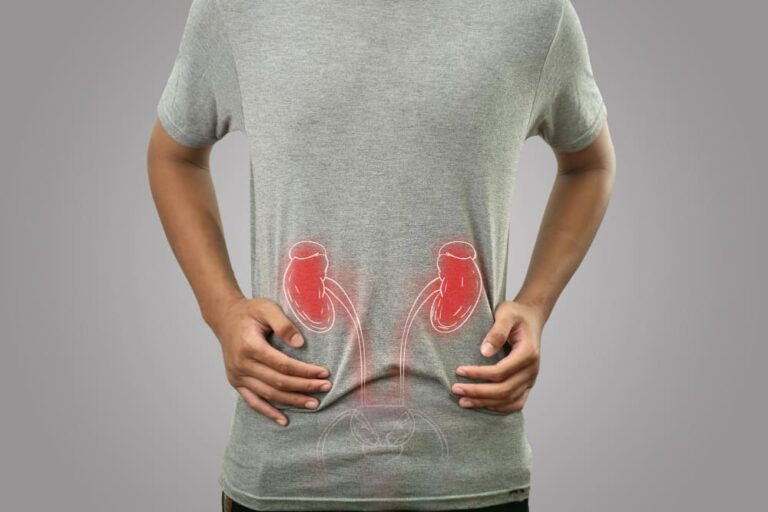
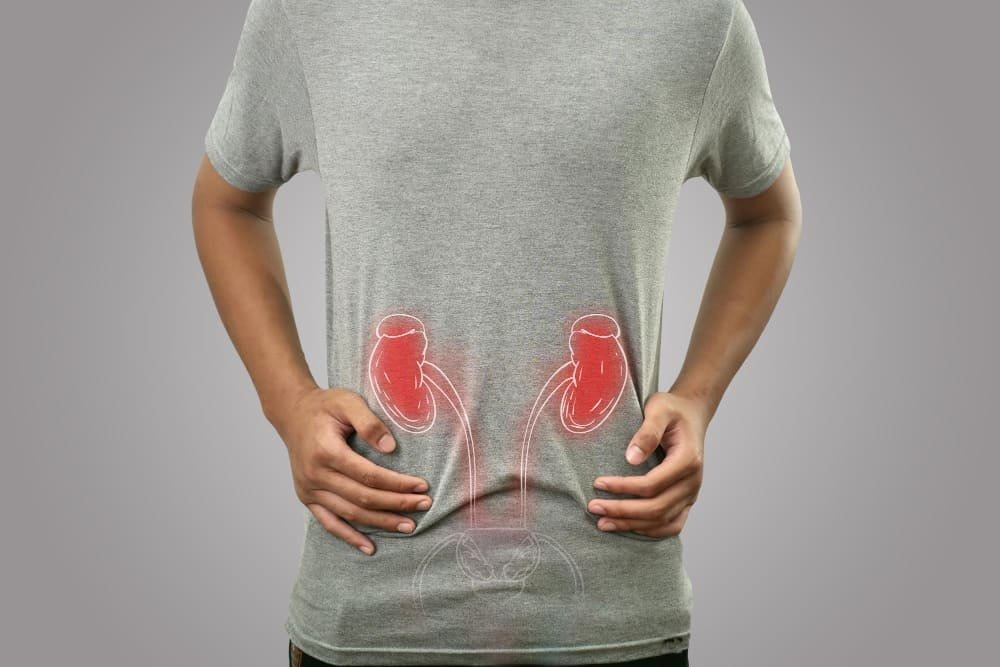
- Pain or Tenderness: Feeling soreness over the area where the new kidney was placed (in your lower abdomen).
- Decreased Urine Output: Making less urine than usual, or fluid retention causing swelling in your ankles, hands, or around your eyes.
- Sudden Weight Gain: Gaining several pounds in a day or two is usually a sign of fluid retention, suggesting the kidney isn’t filtering properly.
- Elevated Blood Pressure: Your new kidney plays a huge role in regulating blood pressure; a sudden rise can indicate trouble.
- General Malaise: Feeling unusually tired, achy, or just “off.”
It is vital to remember that sometimes, rejection is “silent.” You may feel perfectly fine, have no outward symptoms, and yet your blood tests show that your creatinine level (a waste product your kidney filters out) is rising. This is why attending every scheduled clinic appointment and getting routine blood work is non-negotiable.
Timing Matters: Rejection at Different Stages
The risks and causes of rejection shift as time passes after your transplant surgery.
Signs of Kidney Transplant Rejection After 2 Years
By the two-year mark, you are likely settled into a routine. Your clinic visits are less frequent, and you are enjoying a return to a healthier life. However, rejection can still occur.
At this stage, an acute rejection episode might be triggered if you miss doses of your medication, or if another illness interferes with how your body absorbs the medicine.
More commonly, however, doctors start looking for signs of slower, antibody-mediated processes. Sometimes, the body develops “donor-specific antibodies” over time that slowly chip away at the kidney’s health. Signs after two years are often detected through slowly creeping creatinine levels on routine labs rather than sudden pain or fever, though those can still occur.
Kidney Transplant Rejection After 10 Years
If your kidney has lasted a decade, congratulations—that is a wonderful milestone. Rejection after 10 years is almost exclusively chronic in nature.
It is rarely a sudden event. Instead, it is the cumulative effect of years of low-level immune system activity, perhaps combined with the wear and tear of other conditions like high blood pressure or diabetes, or even the long-term side effects of the anti-rejection medications themselves, which can sometimes be tough on the kidneys.
Signs at this stage are a very gradual decline in kidney function tests, slowly increasing protein in the urine, and a gradual return of symptoms associated with chronic kidney disease (CKD), such as fatigue and anemia.
Chronic Kidney Transplant Rejection Causes
Why does chronic rejection happen even when patients do everything right? It’s a complex medical challenge.
The primary driver is the persistent, low-grade immune response. Even with medications, your immune system never fully “forgets” the kidney is foreign. Over years, tiny amounts of damage to the kidney’s blood vessels and filters add up, leading to scarring.
Other significant contributing factors include:
- Medication Non-Adherence: This is the single biggest preventable cause. Missing even a few doses here and there over several years can allow the immune system to wake up and cause damage.
- Recurrence of Original Disease: If you lost your native kidneys to a disease that can come back (like certain autoimmune conditions or focal segmental glomerulosclerosis – FSGS), that disease can attack the new kidney, mimicking chronic rejection.
Sub-optimal Drug Levels: If medication levels in the blood are consistently too low, they won’t protect the organ. If they are too high, they might cause toxicity.
Diagnosis of Rejection: How We Know for Sure
If you have symptoms, or if your routine blood tests show a rise in creatinine, Dr. Ahmed and his team will move quickly to confirm a diagnosis of rejection.
Blood and urine tests are the first steps. We look for markers of kidney function and sometimes for specific antibodies in the blood.
However, the gold standard for diagnosis is a transplant kidney biopsy. This is a procedure where a small needle is used to take a tiny sample of tissue from the transplanted kidney, usually done under local anesthesia with ultrasound guidance.
A pathologist examines this tissue under a microscope. They can see immune cells invading the tissue or signs of antibody damage. This biopsy tells us definitively:
- If rejection is actually happening (sometimes it’s an infection or drug toxicity instead).
- What type it is (acute vs. chronic, cellular vs. antibody-mediated).
- How severe the damage is.
This information is crucial for designing the right treatment plan.
Treatment of Kidney Rejection
Hearing the word “rejection” is frightening, but it is important to remember that it is often treatable, especially if it’s an acute episode.
Treatment of Acute Rejection
If you are diagnosed with acute cellular rejection, the first line of defense is usually a short course of high-dose corticosteroids (like methylprednisolone) given intravenously for a few days. This is often called “pulse steroid therapy.” It acts like a massive bucket of water dumped on the immune system fire.
If steroids aren’t enough, or if you have antibody-mediated rejection, more potent therapies are used. These might include:
- Increasing the dosage of your current maintenance medications.
- Introducing strong anti-T-cell antibodies (like ATG).
- Procedures like plasmapheresis (plasma exchange) to physically filter the harmful antibodies out of your blood.
- Intravenous immunoglobulin (IVIG) to help neutralize antibodies.
Most patients recover kidney function after treatment for acute rejection.
Treatment of Chronic Kidney Transplant Rejection
Managing chronic rejection is more challenging because the scarring is permanent. The goal is to stabilize the kidney function and slow the progression of failure.
Treatment involves:
- Optimizing your current immunosuppressive regimen to prevent further immune damage.
- Aggressively managing blood pressure, as high pressure accelerates kidney scarring.
- Using medications (like ACE inhibitors or ARBs) that protect kidney tissues and reduce protein loss in urine.
- Managing cholesterol and diabetes tightly.
- Making healthy lifestyle changes, such as adopting a kidney-friendly diet and stopping smoking.
Prevention Strategies: Protecting Your Transplanted Organ
Prevention is always better than cure. While you can’t control your genetics, you have significant control over the lifestyle factors that influence rejection risk.
The single most important strategy is medication adherence. Take your anti-rejection medicines exactly as prescribed, at the same times every single day. Never skip doses or change your dose without talking to your transplant team. Use alarms, pillboxes, or apps to help you remember.
Other vital prevention strategies include:
- Attend all follow-up appointments: Let the experts monitor your blood work for silent signs of trouble.
- Avoiding infections: Illnesses can trigger the immune system. Wash hands frequently, get recommended vaccines (but avoid live vaccines), and stay away from sick people.
- Sun Protection: Immunosuppressants increase skin cancer risk, so wear sunscreen.
- Healthy Lifestyle: Maintain a healthy weight, exercise regularly, and eat a heart-healthy diet.
- Open Communication: Report any symptoms, no matter how minor they seem, to Prof. Ahmed’s team immediately.
Frequently Asked Questions (FAQs)
What happens when your body rejects a kidney transplant?
When your body rejects a kidney, your immune system attacks the transplanted organ’s tissues. This causes inflammation and damage, preventing the kidney from filtering waste and excess fluid from your blood effectively. If untreated, this leads to kidney failure.
What is the most common kidney transplant rejection?
Acute cellular rejection (T-cell mediated) occurring in the first few months after surgery has historically been the most common type of clinically evident rejection, though its incidence has decreased significantly with modern medicines.
How to know if a kidney transplant is failing?
Often, you won’t know based on feelings alone early on. The most reliable indicator is a rising creatinine level in your routine blood tests. Later signs include swelling (edema), decreased urine output, fatigue, and high blood pressure.
Does rejection always mean transplant loss?
No, absolutely not. Acute rejection episodes are very common and are usually treated successfully with strong medication, allowing the kidney to keep functioning for many years. Chronic rejection is harder to treat but can often be managed to extend the kidney’s life.
What is a silent rejection of a kidney transplant?
Silent rejection (sometimes called subclinical rejection) means there is evidence of rejection happening in the kidney tissue—usually discovered on a protocol biopsy—but the patient has no physical symptoms and their blood creatinine levels may still appear normal.
Can you get a second kidney transplant?
Yes, many patients receive a second or even third kidney transplant if their first one fails. The evaluation process is similar to the first time, though finding a compatible match can sometimes be slightly more challenging depending on your antibody levels.
What does transplant rejection feel like?
It can feel like the flu—fever, body aches, and severe fatigue. You might also feel pain or tenderness directly over the new kidney in your lower abdomen. However, many people feel nothing at all, which is why blood tests are so helpful.
What happens to the kidney after a failed transplant?
If a transplant fails completely and you return to dialysis, the failed kidney is usually left inside your body. It typically shrinks and causes no problems. It is only surgically removed (transplant nephrectomy) if it causes pain, infection, or severe high blood pressure.
What are the stages of transplant rejection?
Rejection isn’t typically staged like cancer (e.g., Stage 1 to 4). Instead, it is classified by type (Hyperacute, Acute, Chronic) and severity based on biopsy findings (e.g., mild, moderate, or severe inflammation and scarring).
Can kidney transplant patients take magnesium citrate?
You should exercise extreme caution with over-the-counter supplements and laxatives like magnesium citrate. Magnesium can interact with certain transplant medications (like tacrolimus or cyclosporine) and affect your kidneys. Always consult Prof. Aimun Ahmed or your transplant pharmacist before taking any new medicine, supplement, or herbal remedy.
Conclusion
The journey after a kidney transplant is one of vigilance, but also one of immense hope. While the word “rejection” is scary, understanding that it is a manageable part of the transplant process is key to living a long, healthy life with your new kidney. By staying informed, adhering strictly to your medication regimen, and maintaining open lines of communication with Prof. Aimun Ahmed and his dedicated team at Lancashire Teaching Hospitals, you are taking the best possible steps to protect your gift of life.