


Receiving a kidney transplant marks the beginning of a new chapter, but the real work starts after you leave the operating room. Many patients feel overwhelmed by the sudden shift from waiting for a transplant to actually caring for their new organ.
Will you need dialysis again? What medications must you take? How do you protect this precious gift?The truth is, success depends entirely on post kidney transplant care. Your new kidney needs protection, monitoring, and the right environment to function properly.
Without proper attention during those critical first weeks and months, complications can develop that threaten everything you’ve worked toward.
This guide walks you through every stage of recovery, from your first days in the hospital to building a sustainable lifestyle years after transplant surgery. You’ll learn what to expect, how to spot warning signs, and practical steps to give your kidney the best chance at long-term success.

Understanding Your Kidney Transplant Recovery Time
Recovery happens in stages, and each person moves through them at their own pace. The initial hospital stay typically lasts five to seven days, but this depends on how quickly your body accepts the new organ and whether any complications arise.
During the first three months, your body adjusts to the transplant. This period requires the most intensive monitoring because rejection risk peaks during this time. You’ll visit your transplant team frequently—sometimes twice weekly initially—for blood tests and check-ups.
By six months, most recipients feel substantially better than they did before surgery. Your energy returns, appetite improves, and daily activities become easier. However, complete healing of the surgical site and full adjustment to medications can take up to a year.
Long-term recovery is about maintaining what you’ve gained. Recipients who follow their care instructions and stay connected with their medical team often enjoy decades of healthy kidney function. The key is understanding that transplantation isn’t a cure—it’s a treatment that requires ongoing commitment.
The First Days: Kidney Transplant Post-Op Care
Those first hours and days after waking from surgery set the foundation for everything that follows. The hospital staff monitors you constantly, checking vital signs, urine output, and blood work to ensure your new kidney starts working properly.
Pain management is a priority. You’ll have discomfort around the incision site in your lower abdomen, but your team provides medication to keep you comfortable while encouraging movement. Walking soon after surgery—even just a few steps—helps prevent blood clots and speeds recovery.
Your new kidney may start producing urine immediately, or it might take several days to “wake up.” Some recipients need temporary dialysis during this adjustment period, which doesn’t mean the transplant failed. It simply means your kidney needs more time to recover from being outside a body.
The nursing staff teaches you how to care for your incision, recognize signs of infection, and understand which symptoms require immediate attention. This education continues throughout your hospital stay, preparing you for the transition home.
Post Kidney Transplant Nursing Care Plan
Even after you leave the hospital, the principles of the post kidney transplant nursing care plan continue. In the hospital, the RN and medical team tracked your blood pressure, temperature, and urine output religiously. At home, you become the nurse.
Self-Monitoring Essentials:
- Temperature: Check it daily. A fever is often the first sign of infection or rejection.
- Blood Pressure: High blood pressure can damage the new kidney. Keep a log.
- Weight: Sudden weight gain can indicate fluid retention.
- Incision Care: Keep the area clean and dry. Watch for redness or drainage.
Adhering to these care instructions is vital. If you notice any anomalies, contact your transplant coordinator immediately. These coordinators are your lifeline—never hesitate to use the phone or online portals to ask questions.
Post Kidney Transplant Medications: The Pillars of Success
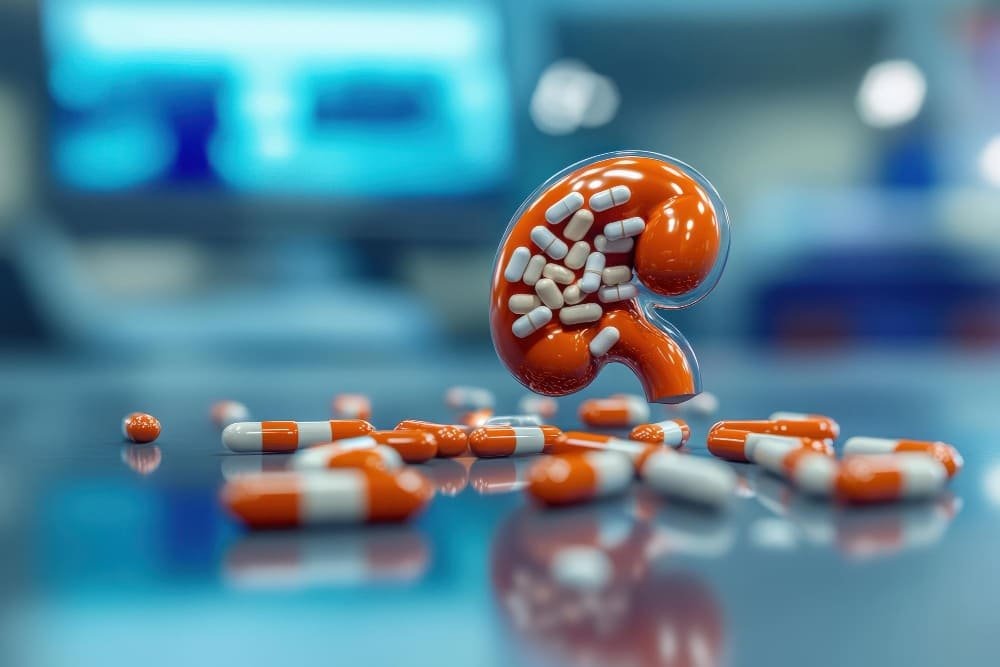
This is perhaps the most critical aspect of your new life. Post kidney transplant medications are not optional; they are the fuel that keeps your transplant running.
You will primarily be taking immunosuppressants (anti-rejection drugs). These medications trick your immune system into accepting the foreign kidney as your own.
- Consistency is Key: You must take them at the exact same time every day.
- Never Skip a Dose: Even missing one dose can trigger a rejection episode.
- Side Effects: Be aware of potential side effects like tremors, hair growth changes, or increased appetite. Discuss these with Prof. Aimun Ahmed or your pharmacist—never stop taking them on your own.
Managing this routine can be daunting. Use pill organizers or smartphone apps to assist you. Remember, maintaining strict adherence to your medication schedule is the essence of preventing organ failure.
Diet After Kidney Transplant

Your nutritional needs change drastically after surgery. The strict renal diet you followed while on dialysis is often relaxed, but you still need to be careful to ensure proper care of your kidney transplant.
Hydration: Unless told otherwise, drink plenty of water. Your new kidney needs fluid to flush out waste. Fluids keep the vessels healthy and the kidney functioning.
Food Choices:
- Protein: You may need extra protein immediately after surgery to help heal tissue, but this might decrease later.
- Sodium: Keep salt intake low to control blood pressure and reduce fluid retention.
- Potassium: Unlike in CKD stages, your new kidney might filter potassium well, but some medications can raise potassium levels. Follow your dietitian’s guide.
- Food Safety: Because you are immunosuppressed, avoid raw or undercooked meats, eggs, and unpasteurized dairy. Foodborne illnesses are a serious threat to transplant recipients.
Post Kidney Transplant Care at Home
Creating a safe environment at home is part of the best care strategy. Your home should be a sanctuary for healing, free from sources of infection.
Hygiene: Wash your hands frequently. It sounds simple, but it is your first line of defense. Ask visitors to do the same. If friends or family are sick, ask them to delay their visits.
Activity: Walking is excellent for preventing blood clots and pneumonia. Start slow. Maybe just a few minutes around the living room. Gradually increase your activity timeline over the coming weeks. Avoid lifting anything heavier than a gallon of milk (about 10 pounds) for at least 4-6 weeks to prevent hernias near your incision site.
Pets: If you have pets, wash your hands after touching them. Do not change cat litter boxes or clean bird cages, as these can carry taxoplasmosis and other infections dangerous to your suppressed immune system.
After Kidney Transplant Need Dialysis?
One of the biggest fears patients have is: “Will I need dialysis again?”
Ideally, the answer is no. A successful kidney transplant frees you from the machine. However, in some cases, a condition called “delayed graft function” occurs. This means the new kidney is “sleeping” and needs a little time to wake up after the trauma of surgery.
If this happens, you might need temporary dialysis for a few days or weeks until the kidney starts producing urine and filtering waste on its own. Do not panic; this is often a temporary hurdle and does not necessarily mean the transplant has failed. Trust your clinical team to manage this.
Proper Care of Your Kidney Transplant: Follow-Ups and Labs
Follow-ups are your safety net. In the first month, you might visit the clinic or hospital once or twice a week. These visits allow Prof. Aimun Ahmed and the team to check your creatinine levels (a marker of kidney function) and adjust your medication dosages.
What happens at these visits?
- Blood work: To check kidney function and drug levels.
- Physical Exam: Checking the abdomen and incision.
- Medication Review: Adjusting doses based on lab results.
Over time, these visits become less frequent—monthly, then quarterly, then annually. However, ongoing monitoring remains a lifelong commitment. Adhering to the KDIGO clinical practice guideline standards ensures we are always improving global outcomes for our patients.
What to Watch For After a Kidney Transplant?
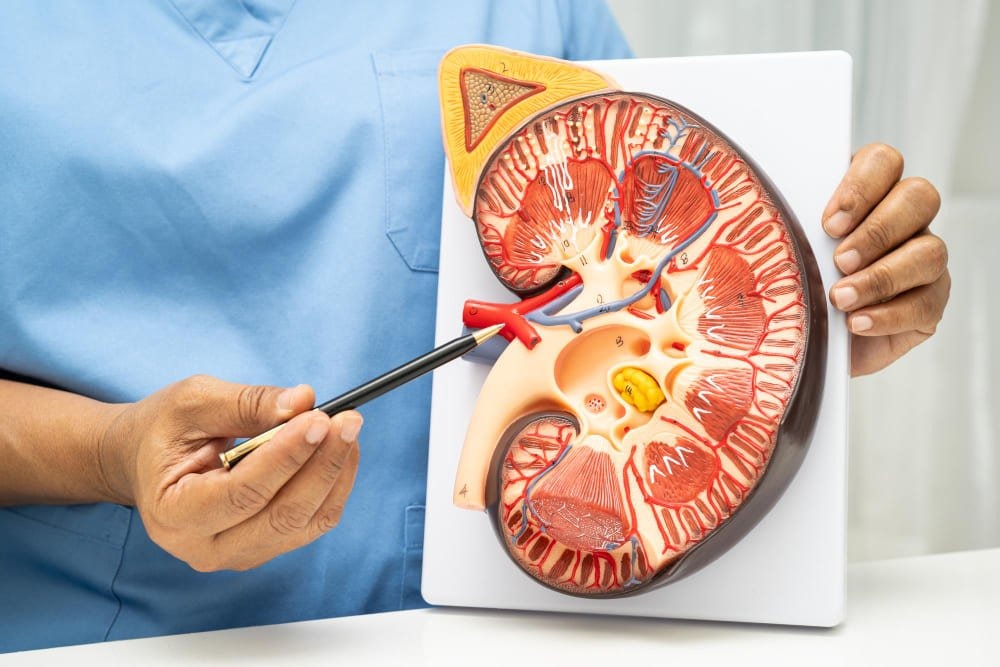
Knowing the symptoms of rejection or infection can save your kidney. Rejection doesn’t always mean you lose the kidney, especially if caught early.
Signs of Acute Rejection:
- Pain or tenderness over the transplant site.
- Decrease in urine output.
- Fever higher than 100°F (38°C).
- Flu-like symptoms (body aches, chills).
- Sudden weight gain or swelling (edema) in the ankles or eyelids.
Signs of Infection:
- Redness, warmth, or pus at the incision site.
- Pain or burning when urinating (UTI).
- Persistent cough or shortness of breath.
If you experience any of these, contact your healthcare provider immediately. Early intervention is the key to recovery.
Maximum Life After Kidney Transplant
Patients often ask about the longevity of their graft. “How long will it last?”
While there is no expiration date stamped on a kidney, the benefits of a transplant over dialysis are immense regarding both quality and quantity of life. On average, a kidney from a living donor lasts 15-20 years, while one from a deceased donor lasts 10-15 years. However, many kidneys last much longer—20, 30, or even 40 years with excellent compliance.
Factors that influence this include:
- Adherence to medication.
- Healthy lifestyle (no smoking, healthy weight).
- Managing comorbidities like diabetes and hypertension.
Your goal is maintaining the health of this organ for the long term. It is a marathon, not a sprint.
Returning to Normal Life
Can you live a normal life? Absolutely. In fact, that is the intended outcome of the surgery.
Most recipients report a surge in energy they haven’t felt in years. You can return to work, travel, and exercise.
- Work: Most people return to work within 6 to 12 weeks, depending on the physical demands of the job.
- Travel: Once your condition stabilizes (usually 2-3 months), you can travel. Just remember to carry enough medication and a copy of your medical report.
- Exercise: Regular activity helps control blood pressure and weight.
This is your second chance. Whether it’s playing with your children, hiking, or simply enjoying a meal without fluid restrictions, embrace the life you fought for.
Frequently Asked Questions (FAQs)
What to avoid after kidney transplant?
Avoid raw or undercooked foods, unpasteurized dairy, grapefruit and pomegranate, large crowds during flu season, contact with people who have contagious illnesses, smoking, excessive alcohol, and unprotected sun exposure.
Don’t take new medications, supplements, or herbal products without asking your transplant team first, as many interact with immunosuppressants.
How long after kidney transplant can you travel?
Most recipients can travel locally within a few weeks and take longer trips after three to six months when their condition stabilizes. Always discuss travel plans with your coordinator first.
Bring extra medications, carry a medical summary, know how to contact your transplant team from your destination, and research medical facilities at your location. Avoid areas with poor sanitation or limited medical care during your first year.
How long does it take to heal after a kidney transplant?
The surgical incision heals within six to eight weeks, but complete recovery takes three to six months. Most recipients feel substantially better by three months and return to normal activities around six months. However, adjusting to medications and achieving stable kidney function can take up to a year. Long-term healing continues as your body fully adapts to the transplant.
Can I live a normal life after a kidney transplant?
Yes, most recipients return to normal activities including work, exercise, travel, and hobbies. Your life won’t be exactly as it was before—you’ll take daily medications, need regular check-ups, and make certain lifestyle adjustments. However, the vast majority of recipients report dramatically improved quality of life compared to dialysis or advanced kidney disease. Many recipients live active, fulfilling lives for decades after transplant.
What if I forget a dose of my medication?
If you miss a dose, take it as soon as you remember. However, if it is close to the time for your next dose, skip the missed one and go back to your regular schedule. Do not double the dose. Call your transplant coordinator immediately for specific advice based on which medication was missed.
Conclusion
Post kidney transplant care is a journey of discipline, gratitude, and vigilance. It requires a strong partnership between you, your support system, and your medical team. By following these guidelines, you are doing everything in your power to ensure the longevity of your transplant.
At the clinic of Prof. Aimun Ahmed, we are dedicated to guiding you through every step of this process. From the complex medical decisions to the simple tips for daily living, we are here to ensure your transition from patient to survivor is smooth and successful. Your new kidney is a precious gift—cherish it, protect it, and live your life to the fullest.